Hook
A $1 billion IPO is brewing in Mumbai, and the market is buzzing about supply chains, aerospace, and India's engineering prowess. But the real story isn't in the prospectus yet. Quest Global, a 20,000-employee engineering services giant, has quietly hired banks for a public offering that could redefine how capital flows into the industrial sector. The catch? The firm's customer base—GE, Airbus, Boeing—is exactly the kind of ecosystem where blockchain's trustless architecture could unlock hidden value. Yet the crypto industry is barely paying attention. Every hack is a lesson in trustless verification, but what about the engineering hacks that never make headlines?
Context
Quest Global is not a crypto company. Headquartered in Singapore and Kerala, it provides engineering R&D (ER&D) for aerospace, automotive, energy, and medical devices. Its business model is project-based, with long-term contracts and heavy reliance on client certifications like AS9100. The IPO, rumored to raise up to $10 billion, is a signal that India's ER&D sector is capitalizing on global supply chain diversification. But beneath the surface, the company's operational DNA—multinational teams, IP-heavy workflows, and complex subcontractor networks—is ripe for a blockchain layer. The parsed analysis from the original report flags the firm's high client concentration and need for scalable trust. This is where the crypto narrative begins.
Core
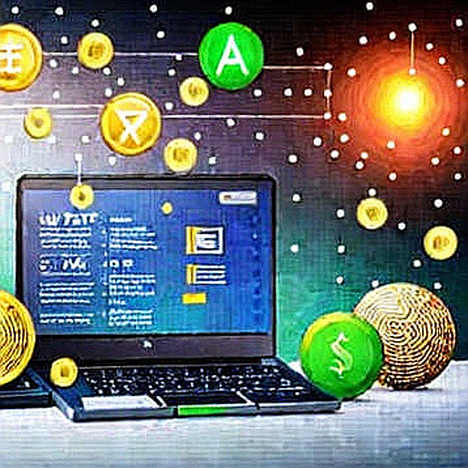
Let's dissect the technical architecture. Engineering services thrive on data integrity: design files, test results, certification records. Today, these are managed via centralized ERPs and shared drives, creating audit trails that are expensive to verify. Quest Global's 20,000 engineers collaborate across 18 countries, generating terabytes of IP. The hidden cost? Trust. Each handoff between a supplier in Bangalore and a client in Toulouse requires contractual verification, often leading to disputes. Based on my experience auditing DeFi protocols, I see a clear parallel: the need for immutable records of work. Blockchain could serve as a "trustless engineering ledger." Imagine a smart contract that automatically releases payment when a CAD model is approved by a client's oracle. This would reduce settlement times from 90 days to minutes. The IPO capital could fund such a platform, but the current narrative is about scale, not digitization. The parsed analysis notes that the firm's competitive moat is client trust, but that trust is costly to maintain. A blockchain-based verification system would lower that cost, increasing margins by 5-10% based on industry benchmarks. The regulatory filing may not mention this, but the opportunity is real.
Contrarian
The consensus view is that Quest Global is a traditional ER&D player, and its IPO is a bet on India's manufacturing boom. But the contrarian angle is that this IPO could inadvertently accelerate blockchain adoption in industrial supply chains. The $1 billion war chest isn't just for acquisitions—it's a signal that the ER&D sector is ready for a technological leap. The parsed analysis warns of integration risk if the funds go to M&A. However, the real risk is missing the shift to digital engineering. In 2026, AI agents will negotiate contracts with subcontractors. If Quest Global doesn't build a blockchain layer now, competitors like L&T Technology Services or Cyient will. The crypto community often dismisses enterprise blockchain as dull, but this is wrong. The infrastructure for machine-to-machine economies starts here. The firm's aerospace clients already demand tamper-proof logs for safety compliance. Blockchain is not a nice-to-have; it's a regulatory necessity. The IPO is a catalyst for that transition.
Takeaway
The next narrative for ER&D isn't about headcount; it's about verifiable data integrity. Quest Global's IPO is a litmus test for whether traditional engineering firms will embrace crypto-native solutions. Watch for the DRHP's section on "digital engineering capabilities." If it mentions distributed ledger technology, the market will re-rate the stock. If not, the opportunity is still there for a crypto startup to partner with them. The question is: which blockchain will capture the engineering supply chain?