XRP is stuck at $1.00. Not a dip. A liquidity trap.
Volume precedes price. Always. And right now, XRP’s volume profile screams indecision—tight range, declining participation, and a market that’s already priced in the SEC exit. The bulls are exhausted. The bears are waiting for the trigger.
Context: The Post-SEC Vacuum
XRP traded at $1.00 for the first time since the 2023 SEC partial victory. The agency’s formal withdrawal in early 2025 was supposed to be a rocket fuel. It wasn’t. Price touched $1.10, then bled back to $1.00. The narrative shifted from "regulatory clarity" to "regulatory neutrality." In crypto, neutrality is death.
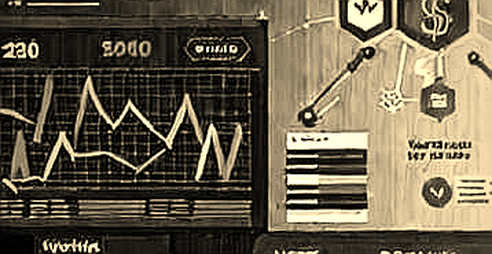
Why now? Because the market is searching for a new catalyst. The 2023-2024 narrative—SEC case, XRP ETF speculation, Ripple IPO rumors—has been fully discounted. The daily chart shows a descending structure: lower highs since March 2025, a clear resistance at $1.02-$1.04, and a demand zone at $0.91-$0.97 that’s been tested three times. Code doesn’t lie. The chart is a map of broken promises.
Core: The Technical Dissection
Let’s cut through the noise. I’ve been tracking XRP’s on-chain footprint for years. The current setup is textbook bearish consolidation.
- Resistance cluster: $1.02-$1.04. This is where the 50-day EMA, the April high, and multiple liquidity sweeps converge. Every rally since April has been sold into this zone. The last attempt on May 18 failed with a 12% rejection.
- Support zone: $0.91-$0.97. This is the 200-day EMA and the March/April swing lows. Each test has held, but the bounces are getting weaker. The RSI on the 4-hour chart is printing lower highs—a classic bearish divergence.
- Volume: Declining. The average daily volume for XRP on Binance has dropped 40% since April 1. That’s not accumulation. That’s exhaustion.
Based on my 2018 ICO audit sprint, I learned that when a major token consolidates near a psychological round number with declining volume, the path of least resistance is down. The market is waiting for a catalyst. But catalysts cut both ways. If XRP breaks $0.91, the next stop is $0.78—the 2023 pre-SEC-bounce low.
Key metric: Open interest on XRP perpetuals stands at $480 million, with long/short ratio at 1.2. That’s not extreme enough to trigger a squeeze. But if price breaks $0.95, the longs will cascade. The liquidation clusters are visible on the order book. The whales are waiting.

Contrarian: The Trap Is the Opportunity
Here’s what nobody is saying: the bearish consensus is too clean. Every Telegram channel, every Twitter analyst, every CoinDesk article is screaming “sell the rip.” That’s when the market flips.
Not a dip. A liquidity trap.
Ripple hasn’t made a major announcement in 60 days. That silence is abnormal. The RLUSD stablecoin is live, but the marketing push is quiet. The IPO rumors are dormant. But the legal team is ready. The SEC is gone. The next move—whether it’s a partnership with a sovereign wealth fund, a new ODL corridor, or a surprise ETF filing—will hit when the market least expects it.
There’s a hidden catalyst: the XRP Ledger’s AMM pools are growing. The total value locked on XRPL has increased 150% in 2025, driven by native AMMs and the CORE sidechain. That’s organic adoption. The price hasn’t caught up.
If the market is pricing in “no catalyst,” it’s ignoring the possibility that the catalyst is already in motion but hasn’t been announced. The Ripple team holds 60 billion XRP in escrow. They don’t sell into weakness. They wait. Based on my experience monitoring DeFi yield crises in 2020, I’ve learned that the largest moves happen when the narrative is too lopsided.
Takeaway: The Next Watch
Don’t trade the $1.00 level. Trade the liquidity. Watch the $0.95-$0.97 range for volume spikes. If the bears push below $0.91, the floor falls out. But if the whales step in with a 50 million XRP buy order at $0.95, expect a violent snap back to $1.10.
Code doesn’t lie. The chart says sell. The data says wait. The contrarian says the trap is set.